
How Functional Training Reduces Injury Risk and Improves Athletic Performance

Most people walk into a gym, head straight for the leg press, and crank out three sets of heavy, mechanical reps. It feels productive, and you definitely feel the burn afterwards. Then you walk out the door, trip on a loose curb, or pull something weird while reaching for a box in the attic. That right there is the gap. You might have size, but do you have actual movement? This is exactly where functional training gyms change the game by training your body to handle real-world life and sport instead of just staring at a mirror.
Why Your Body Needs More Than Just Isolated Reps
Traditional gym sessions are great for size, but they often ignore the way our bodies actually function in the wild. Think about it. When did you last need to sit on a padded seat and push a heavy slab of metal away from your chest? Probably never.
Functional training is different. It focuses on movement patterns, pushing, pulling, hinging, rotating, and squatting that your body uses every single day. By training these patterns rather than individual muscles, you build a body that’s not just strong, but resilient. This is why so many people are ditching the isolation machines at conventional gyms and looking for functional training gyms that prioritize how you move rather than how you look.
How Functional Fitness Keeps You Off the Bench
The most annoying part of any athletic journey is the injury that keeps you sidelined. We have all been there. A tight hamstring, a tweaked lower back, or a wonky shoulder. These things usually happen because of imbalances: one muscle is pulling too hard while another is slacking off.
Functional training works as a sort of insurance policy for your joints. Because it forces your stabilizers those tiny, unsung muscles around your joints, to fire up during every movement, you become much more aware of your body in space. This is what the pros call proprioception. When your brain knows exactly where your limbs are, you react faster to unexpected stumbles or sudden changes in direction.
Improved Joint Stability: By moving through full, natural ranges of motion, you lubricate the joints and strengthen the connective tissues, making them less prone to tears.
Correction of Muscle Imbalances: Multi-joint movements expose your weak spots. If your left side is weaker than your right during a lunge, you will feel it immediately and can fix it before it becomes a chronic issue.
If you are currently looking for functional fitness options in Sydney, you are likely already seeing this shift toward training that emphasizes longevity over short-term gain. It’s about building a body that lasts.
Taking Your Performance to the Next Level
Once you fix the stability issues, performance starts to climb. Whether you are playing weekend sports or just trying to keep up with your kids, functional training gives you an edge. Traditional cardio workouts at gym setups, like sitting on a stationary bike for an hour, definitely have their place for heart health. But if you want explosive power, you need to train your body to generate force from the ground up.
Think about a sprinter or a tennis player. They aren’t using just their legs or just their arms. They are linking their entire body together in one kinetic chain. When you train with things like kettlebells, medicine balls, or bodyweight circuits, you are teaching your nervous system to fire everything at once. That is where real-world speed and power come from.

Putting It All Together
Moving better feels good. It changes the way you carry yourself. You stop feeling like a collection of stiff parts and start feeling like one cohesive unit. That is the secret. It’s not about doing more; it’s about doing things that matter for your daily movement.
When you get into a rhythm, your gym time stops being a chore and starts being a way to sharpen your tools for the rest of your life. Whether you are doing deadlifts to pick up heavy grocery bags without back pain or rotational work to improve your golf swing, you are investing in your future self.
Builds Real-World Strength: You gain the functional power to handle life’s heavy lifting with ease.
Enhances Athletic Versatility: You develop the coordination and agility to excel in any physical activity, not just the ones you practice.
If you want to stay in the game for the long haul, stop worrying about the size of your biceps and start focusing on the quality of your movement. Your body will thank you for it in ten, twenty, or thirty years.
The Science of Moving With Purpose
Functional training taps into the way your nervous system actually wants to work. Instead of isolating a single muscle group, these exercises demand that your brain and body communicate to stabilize your entire frame while you perform a task. When you lift a heavy object from the floor using a proper hinge pattern, you are training your core, back, and legs to work as one integrated system.
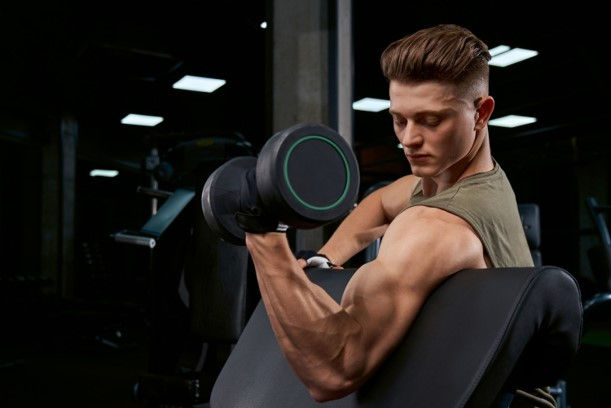
This neural integration is exactly why athletes who switch to this style of movement often see rapid gains in performance. You are not just building bigger muscles; you are upgrading the communication between your mind and your body, which translates to better balance, more explosive power, and a much lower chance of picking up those nagging, repetitive strains that seem to plague people who stick to standard isolation machines.
Conclusion
Moving better feels good. It changes the way you carry yourself through the day. You stop feeling like a collection of stiff parts and start feeling like one cohesive unit. That is the true secret to longevity. It is not about doing more; it is about doing things that actually matter for your daily movement.
When you get into a rhythm, your gym time stops being a chore and starts being a way to sharpen your tools for the rest of your life. If you want to stay in the game for the long haul, stop worrying about the size of your biceps and start focusing on the quality of your movement. Your body will thank you for it in ten, twenty, or thirty years. When you are ready to stop just exercising and start training for a capable life, reach out to the team at HARDCORE DISTRIBUTION to learn more about the gear you need to reach your goals.
Frequently Asked Questions
Is functional training better than traditional weightlifting?
It is not necessarily better, but it is different. Traditional lifting is excellent for targeting muscle growth, while functional training focuses on improving movement efficiency, coordination, and real-world strength. Combining both often yields the best results.
Can beginners start with functional training?
Absolutely. Most movements like air squats or lunges can be modified to fit your current fitness level. It is actually a safer place for beginners to start because it emphasizes body control and technique over ego-lifting.
How does functional fitness impact my cardio health?
Functional circuits are often performed in a way that keeps your heart rate elevated, which provides an effective cardiovascular challenge while simultaneously building strength. This makes it a great way to squeeze more benefits into less gym time.
Where can I find effective functional training programs?
You can start by looking for gyms in your area that emphasize "functional fitness" or "movement-based training." Many functional training gyms provide coaching on form, which is critical when you are first learning these complex, multi-joint movements.


Comments